

Emery County Nuclear Test Lab Gets $1.35M Federal Upgrade
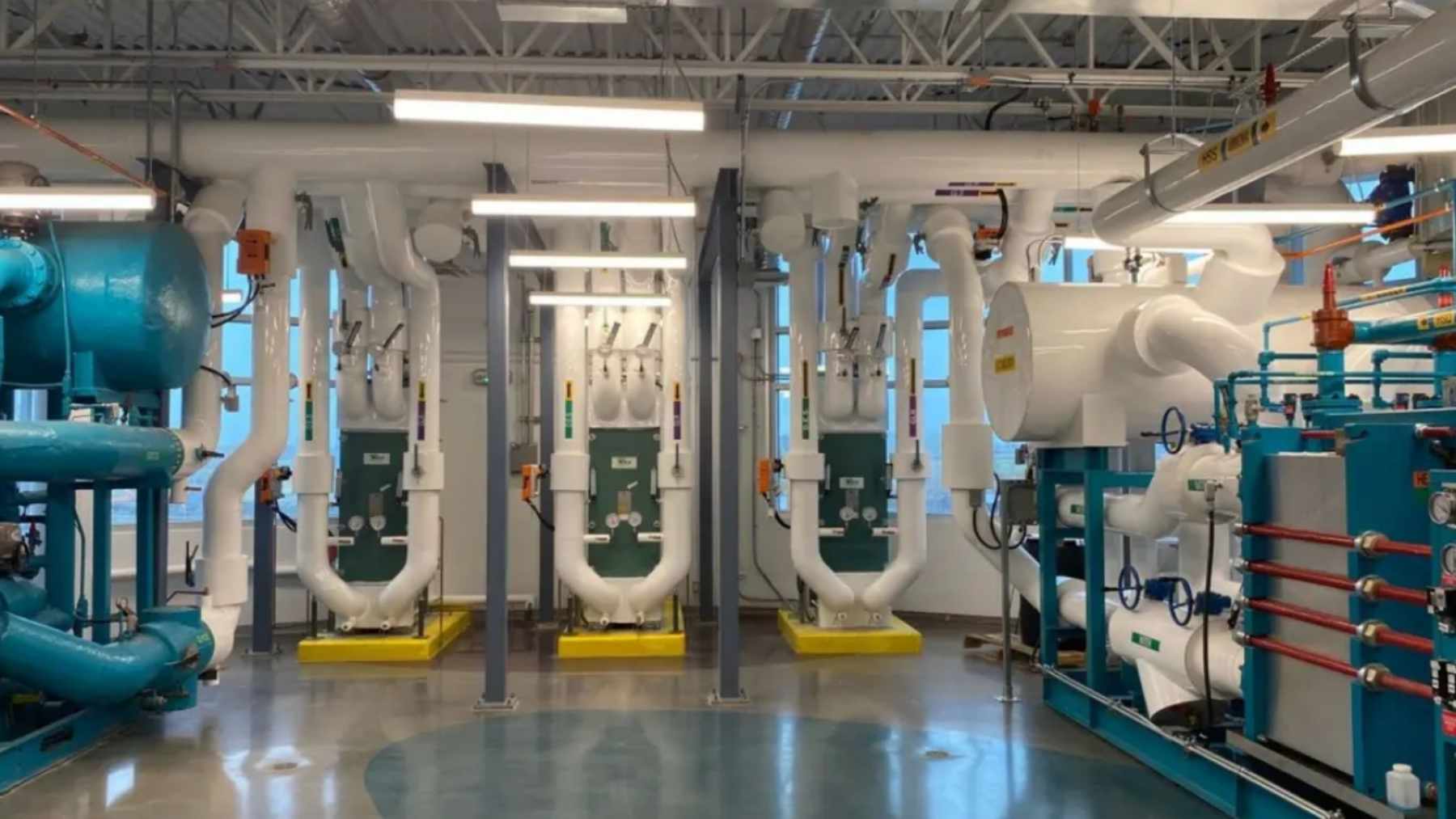
Table of Contents
A Furnace Pretending to Be a Reactor
As first reported by Autonocion.com, the Utah San Rafael Energy Lab (USREL) in Emery County is outfitting a 250-kilowatt induction furnace with heat pipes, sensors, and custom parts so it can mimic the thermal behavior of a nuclear reactor core, no uranium required. The startup behind the work, Idaho Falls-based NuCube Energy, announced on October 6 that it's moving into its next phase of testing at the lab, with Brigham Young University researchers involved.
The furnace will stand in for a slice of NuCube's NuSun reactor design, which is rated up to 15 megawatts, roughly 60 times the furnace's output. Nobody's loading fuel here. The point is to validate whether heat pipes move heat the way the computer models say they will, before anyone deals with federal licensing, security requirements, and a radioactive core that can't simply be opened up when something fails.
Federal Money Landing in Coal Country
Utah's Office of Energy Development, which runs USREL, is directing a $1.35 million Department of Energy award across the furnace upgrade and two other projects, with OxEon Energy getting $620,000 and the balance split between BYU and NuCube. The funding is congressionally directed spending, an earmark, credited to Utah Sen. John Curtis. Part of the same pot is also fixing up the lab's L-1500 coal furnace, a 1-megawatt unit on the same Coal Haul Road site.
That detail matters for anyone tracking land use in Emery and Carbon counties. One federal check paying to upgrade both a coal furnace and a fake nuclear core at the same address is a tidy snapshot of where energy infrastructure spending in rural Utah is actually headed. The coal industry isn't disappearing overnight, but the capital flowing into this corridor is increasingly nuclear and industrial-heat research, not new coal capacity.
Why Rural Industrial Land Gets More Interesting
USREL already had a real reactor go critical in June, when Valar Atomics ran its Ward 250 core at the site under a federal fast-track testing program. NuCube has its own memorandum of understanding with the state's energy office aimed at eventually installing a fueled test reactor there too, though that MOU runs through May 2027 and isn't binding on its own.
For owners and investors holding ground in Emery County or anywhere along Utah's rural energy corridor, this is a pattern worth tracking rather than a single headline. A state-run test lab attracting multiple reactor developers, a SPAC-bound startup, and repeat DOE funding suggests the area is positioning itself as a hub for next-generation power testing, not just a legacy coal basin. Land near existing power infrastructure and rail access along that corridor carries different long-term value than it did five years ago, and buyers who've been pricing it purely on coal-era assumptions may be underestimating it.
The Bigger Draw: Power-Hungry Tenants
The furnace is also being wired for supercritical CO2 Brayton-cycle power generation tests and hydrogen production, using a sealed-loop turbine cycle that's already got a pilot setup running at USREL. That's a tell about where this research is ultimately aimed: not just reactors for the grid, but compact, on-site power for industrial users who need dense, reliable energy without waiting on transmission upgrades.
Data centers, chemical processing, and advanced manufacturing tenants across Utah are already asking brokers about power availability before they ask about square footage. We field those calls regularly at Team Utah Commercial (801-898-8810), and a credible path toward on-site microreactor or industrial-heat power, even one that's still years from commercial deployment, changes the conversation for sites that otherwise look power-constrained.
No Start Date, No Guarantees
None of this moves fast. NuCube's announcement doesn't set a start date for the upgraded testing, and the company's broader goal of a fueled reactor at USREL depends on an MOU that expires in May 2027 unless both sides sign something firmer. CEO Cristian Rabiti framed the furnace work as pursuing "meaningful validation of energy-conversion and industrial-heat applications," which is a careful way of saying the hard engineering questions aren't answered yet.
The realistic marker for Utah CRE isn't the furnace install, it's whether NuCube's SPAC merger closes and whether that MOU converts into a binding agreement before May 2027. Either event would be the first real signal that Emery County is moving from research site to deployment site, and that's the point land values in the area would actually start to move.
Source: this analysis discusses reporting by Autonocion.com.
Back to Blog