
St. George Tops NAR's New National CRE Demand Index
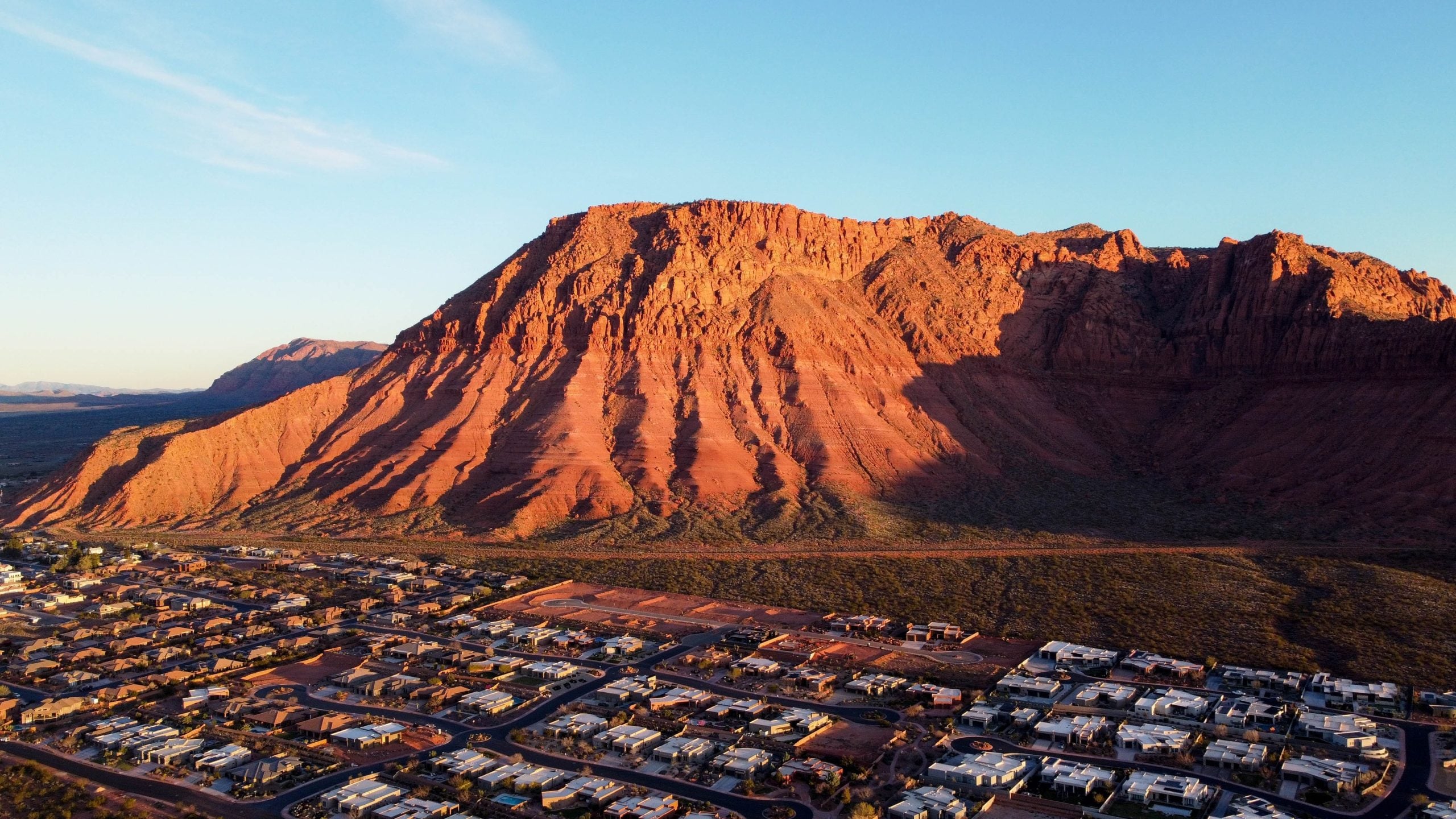
Table of Contents
A New Way to Measure Where Demand Is Headed
The National Association of Realtors just launched something CRE brokers have wanted for a while: a forward-looking demand gauge rather than another rearview mirror. As Connect CRE reports, NAR's new quarterly CRE Demand Index covers 306 U.S. metro areas and St. George, Utah came out on top with a score of 128 — the highest of any metro in the country.
The index doesn't track vacancy rates, asking rents, or leasing volume. It tracks the local economic inputs — jobs and population — that tend to show up in those numbers later. NAR's Nadia Evangelou put it plainly: Demand starts before a lease is signed. It starts with jobs and people. That framing matters for how seriously to take a number like 128 out of a metro area that most national investors still think of as a resort town.
Multifamily Is Doing the Heavy Lifting
NAR identified multifamily as the strongest driver behind St. George's score. That tracks with what anyone watching Washington County has seen for several years — population growth pulling in rooftops faster than most secondary Utah markets, with retail and industrial following the residential wave rather than leading it.
A multifamily-led score is good news for developers and land sellers positioned in and around St. George, and it's a signal to capital that's been circling Utah's secondary metros looking for growth without Wasatch Front pricing. It's less immediately useful for office landlords in the same market, since office demand doesn't move on the same timeline as apartment absorption. An index built on economic conditions will always flatter multifamily first — jobs create renters faster than they create office tenants signing five-year leases.
A Score of 128 Is a Forecast, Not a Snapshot
The distinction NAR is drawing — leading indicator versus current market condition — is the part worth sitting with before anyone repositions a portfolio. St. George ranking #1 doesn't mean vacancy is currently tightest there, or that rents have already moved. It means the underlying economic conditions that eventually produce tighter vacancy and higher rents are stronger there than almost anywhere else measured.
For owners and investors, that's useful precisely because it's early. If the index holds up as a predictive tool across future quarters, a high St. George reading now is a reason to underwrite forward rent growth more confidently in multifamily and, with a lag, in retail serving that new population. It's not a reason to assume current asking rents already reflect the demand NAR is describing — in most cases, they haven't caught up yet.
Raleigh, South Carolina, and Where Utah Fits
Zoom out and the national picture adds useful context. Raleigh, NC led among the 50 largest metro areas with a score of 121 — seven points behind St. George despite being a far larger market — and South Carolina ranked as the strongest state overall, reflecting sustained momentum across the Carolinas. Utah didn't top the state rankings; St. George did the work at the metro level on its own.
That's a different story than a statewide Utah boom, and it's worth watching whether Salt Lake, Provo, or Ogden show up near the top of future quarterly releases or whether St. George's reading is a more localized signal tied to in-migration and lifestyle-driven demand. Investors weighing entry points across Utah's secondary markets, and the brokers advising them — our team at Team Utah Commercial fields these questions regularly at 801-898-8810 — will want the next two or three quarters of index data before treating one reading as a trend rather than a snapshot of a single strong stretch.
Source: this analysis discusses reporting by Connect CRE.
Back to Blog